Vegan collagen is a plant-based alternative to animal-derived collagen, a protein naturally found in the body that provides structure to skin, hair, nails, and connective tissues. It is sourced from fruits, vegetables, and seeds, making it suitable for vegans, vegetarians, and those seeking cruelty-free and sustainable beauty products. The production of vegan collagen typically involves fermentation using specific plant-based ingredients to stimulate the body’s collagen production.
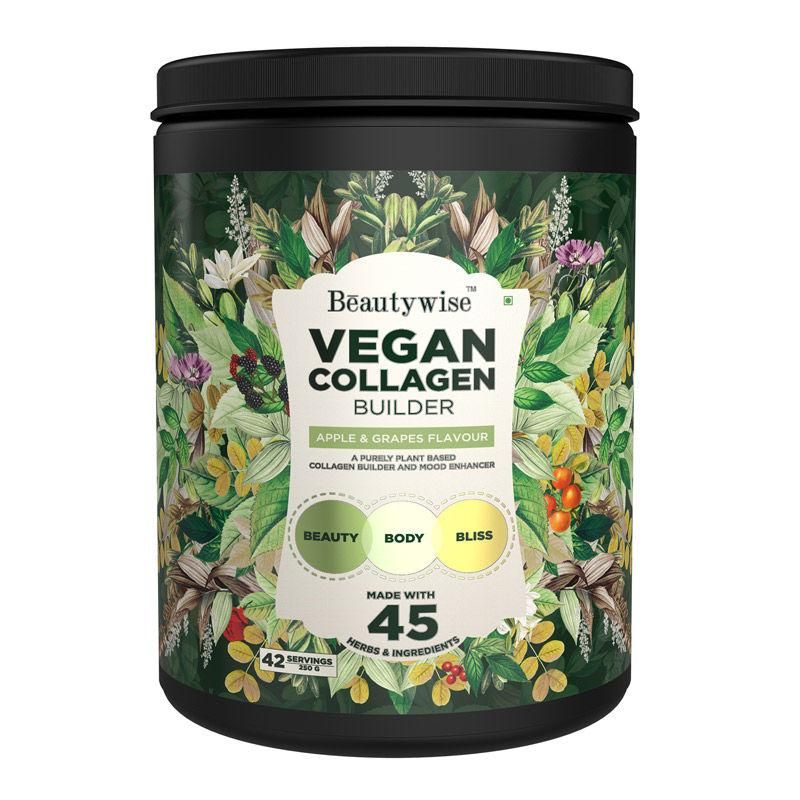
This method creates collagen-like peptides structurally similar to those in the human body. As a result, vegan collagen can support skin health and promote a youthful appearance without relying on animal-derived ingredients. The growing demand for ethical and sustainable beauty products has increased vegan collagen’s popularity in the beauty industry.
It offers a natural and cruelty-free alternative to traditional collagen products, aligning with consumer preferences for environmentally conscious and animal-friendly options.
Benefits of Vegan Collagen for Skin Health
Boosting Collagen Production
One key benefit of vegan collagen is its ability to support the body’s natural collagen production. By providing the necessary building blocks for collagen synthesis, vegan collagen can help improve skin elasticity and firmness, reduce the appearance of fine lines and wrinkles, and promote overall skin hydration. This can result in a more youthful and plump complexion with improved texture and tone.
Protecting the Skin from Environmental Damage
In addition to supporting collagen production, vegan collagen also contains high levels of antioxidants and vitamins that can help protect the skin from environmental damage and premature aging. These natural compounds can help neutralize free radicals, reduce inflammation, and promote skin repair and renewal.
A Gentle and Effective Skincare Option
As a result, vegan collagen can help improve the overall health and appearance of the skin, leaving it looking more radiant and youthful. Furthermore, vegan collagen is often free from synthetic additives and harsh chemicals, making it a gentle and non-irritating option for individuals with sensitive skin. Overall, the benefits of vegan collagen for skin health make it a valuable addition to any beauty routine.
Sources of Vegan Collagen
Several plant-based sources of vegan collagen can be incorporated into a healthy diet to support overall skin health. Some of the most common sources of vegan collagen include fruits such as oranges, strawberries, and kiwi, which are rich in vitamin C and antioxidants that can support collagen production and protect the skin from damage. Additionally, vegetables like spinach, kale, and broccoli are high in vitamins A and E, essential for maintaining healthy skin and promoting collagen synthesis.
Other plant-based vegan collagen sources include chia seeds, flaxseeds, and hemp seeds, which are rich in omega-3 fatty acids and protein that can support skin elasticity and hydration. Furthermore, certain plant-based supplements such as spirulina, chlorella, and algae are also rich in amino acids and minerals that can help support collagen production and promote overall skin health. These natural sources of vegan collagen can be easily incorporated into a balanced diet to provide the body with the essential nutrients it needs to maintain healthy and youthful-looking skin.
By including various fruits, vegetables, seeds, and supplements in your daily meals, you can support your body’s natural collagen production and promote radiant, glowing skin from the inside out.
How to Incorporate Vegan Collagen into Your Beauty Routine
| Beauty Routine Step | Vegan Collagen Incorporation |
|---|---|
| Cleansing | Use a vegan collagen-infused cleanser to promote skin elasticity |
| Exfoliating | Choose a vegan collagen exfoliant to remove dead skin cells and boost collagen production. |
| Moisturizing | Apply a vegan collagen moisturizer to hydrate and plump the skin |
| Treatment | Use a vegan collagen serum or mask for targeted collagen-boosting benefits |
| Sun Protection | Opt for a vegan collagen sunscreen to protect and nourish the skin |
Incorporating vegan collagen into your beauty routine is easy and can be done in several ways to support overall skin health. One of the most effective ways to integrate vegan collagen into your routine is skincare products containing plant-based collagen-boosting ingredients. Look for serums, moisturizers, and masks formulated with natural sources of vegan collagen, such as vitamin C, hyaluronic acid, and plant peptides.
These products can help support collagen production, improve skin hydration, and protect against environmental damage, leaving your skin more youthful and radiant. Another way to incorporate vegan collagen into your beauty routine is by consuming a balanced diet that includes a variety of fruits, vegetables, seeds, and supplements rich in essential nutrients for collagen synthesis. By nourishing your body from within, you can support your skin’s natural ability to produce collagen and maintain a healthy complexion.
Additionally, consider adding plant-based collagen supplements to your daily routine to boost your body’s essential amino acids and vitamins that can support overall skin health. Furthermore, practicing good skincare habits such as staying hydrated, protecting your skin from sun damage, and getting enough sleep can also help support the effects of vegan collagen on your skin. Combining these lifestyle habits with vegan collagen skincare products and a balanced diet can effectively incorporate vegan collagen into your beauty routine to achieve glowing and youthful-looking skin.
Vegan Collagen Supplements: What You Need to Know
Vegan collagen supplements are a convenient way to support overall skin health and promote collagen production from within. These supplements are typically formulated with plant-based ingredients such as amino acids, vitamins, and minerals essential for supporting the body’s natural ability to produce collagen. When choosing a vegan collagen supplement, it’s important to look for products free from animal-derived ingredients and made from natural and sustainable sources.
Additionally, consider opting for third-party supplements tested for quality and purity to ensure you get a safe and effective product. Vegan collagen supplements come in various forms, such as powders, capsules, and gummies, making it easy to find an option that fits your lifestyle and preferences. By incorporating a high-quality vegan collagen supplement into your daily routine, you can provide your body with the essential nutrients needed to support healthy skin.
It’s important to note that while vegan collagen supplements can help support overall skin health, they should be used with a balanced diet and healthy lifestyle habits for optimal results. Additionally, it’s always best to consult with a healthcare professional before starting any new supplement regimen to ensure it is safe for your needs. With the right approach, vegan collagen supplements can be a valuable addition to your beauty routine to help you achieve glowing and youthful-looking skin.
Traditional Animal-Based Collagen
Hydrolyzation derives Animal-based collagen from animal connective tissues such as bones, skin, and cartilage. This collagen type is often used in beauty products and supplements to support skin health and promote anti-aging effects.
The Drawbacks of Animal-Based Collagen
However, animal-based collagen comes with ethical concerns related to animal welfare and sustainability, making it a less desirable option for individuals who follow a vegan or cruelty-free lifestyle.
The Benefits of Vegan Collagen
On the other hand, vegan collagen is derived from plant-based sources through a process of fermentation or extraction. This innovative approach creates collagen-like peptides that are structurally similar to those in the human body. Vegan collagen offers a cruelty-free and sustainable alternative to traditional animal-based collagen products while providing similar benefits for skin health. Additionally, vegan collagen is often free from synthetic additives and harsh chemicals, making it a gentle option for individuals with sensitive skin. Furthermore, vegan collagen offers a more inclusive option for individuals with dietary restrictions or allergies related to animal products. Individuals can support their skin health by choosing vegan collagen over animal-based options while aligning with their ethical values and lifestyle choices. Overall, the comparison between vegan and animal-based collagen highlights the benefits of choosing plant-based alternatives for supporting healthy and radiant skin.
The Future of Vegan Collagen in the Beauty Industry
The future of vegan collagen in the beauty industry looks promising as more consumers seek ethical and sustainable alternatives for their skincare needs. With the growing demand for cruelty-free and natural beauty products, there has been an increase in the availability of vegan collagen skincare lines and supplements from reputable brands. This shift towards plant-based alternatives reflects a larger trend in the beauty industry towards sustainability and transparency in product sourcing.
As consumer awareness continues to grow regarding the impact of traditional beauty products on animal welfare and the environment, there is an increasing demand for vegan collagen options that offer similar benefits without compromising ethical values. This has led to advancements in plant-based technology that allow for the creation of high-quality vegan collagen products that effectively support skin health while meeting consumer preferences for cruelty-free and sustainable beauty solutions. Furthermore, ongoing research into plant-based ingredients and their effects on collagen production will likely lead to further innovations in vegan collagen formulations that offer even more targeted benefits for specific skincare concerns.
As the beauty industry continues to evolve towards more ethical and sustainable practices, it’s clear that vegan collagen will play an important role in shaping the future of skincare by providing effective alternatives that align with consumer values. In conclusion, vegan collagen offers a natural and cruelty-free alternative to traditional animal-based collagen products that effectively support overall skin health. With its numerous benefits for promoting youthful-looking skin and its ethical appeal to consumers seeking sustainable beauty solutions, vegan collagen has become increasingly popular in the beauty industry.
As consumer demand for ethical skincare options continues to grow, the future of vegan collagen looks bright as it becomes an integral part of the movement towards more sustainable and transparent beauty practices.
FAQs
What is vegan collagen?
Vegan collagen is a plant-based alternative to traditional animal-derived collagen. It is made from amino acids, vitamins, and minerals that help support the body’s natural collagen production.
How is vegan collagen different from traditional collagen?
Traditional collagen is derived from animal sources such as cows, pigs, or fish, while vegan collagen is made from plant-based ingredients. Vegan collagen does not involve animal products or by-products, making it a cruelty-free option.
What are the sources of vegan collagen?
Vegan collagen is often sourced from amino acids (like glycine, proline, and hydroxyproline), vitamin C, and minerals like zinc and copper. These nutrients are commonly found in plant-based sources such as fruits, vegetables, and legumes.
What are the benefits of using vegan collagen?
Vegan collagen supplements may help support the body’s natural collagen production, which can contribute to healthy skin, hair, and nails. Additionally, vegan collagen may also support joint health and overall well-being.
Are there any potential drawbacks to using vegan collagen?
While vegan collagen supplements can provide benefits, it’s important to note that individual responses may vary. Some people may experience digestive discomfort or allergies to specific ingredients in vegan collagen products. It’s always best to consult a healthcare professional before starting any new supplement regimen.
